

Gastric Cancer Awareness Month 2026
Move in ways that work for you.
This November, DiCE is highlighting how physical activity can support overall health, healthy ageing and wellbeing, including for people living with and beyond digestive cancers.
#GCAM26
Gastric Cancer in Europe
2020 estimates for Europe
136,038
people diagnosed with gastric cancer
96,997
people died from gastric cancer
Under 50
increases have been reported in some younger populations and countries
Source: European Commission Joint Research Centre, 2024, and published research on early onset gastric cancer trends.
View European data
Why awareness matters
Gastric cancer can affect
people at any age.
Overall gastric cancer rates have declined in many places, but the disease remains a major cause of cancer death in Europe. Research has also identified rising incidence among people under 50 in some countries, particularly in settings where gastric cancer has traditionally been less common.
Awareness of risk factors and persistent symptoms matters. Timely investigation can support earlier diagnosis and give people the best possible chance of appropriate care.
Persistent changes deserve attention
Symptoms can have many causes and do not necessarily mean cancer. If a change is unusual for you or does not go away, speak to a healthcare professional.
Patient voices
Every experience adds to our understanding.
Read the stories of people affected by gastric and gastroesophageal cancers. Their perspectives show why listening, clear information and person centred support matter.



Movement and healthy ageing
Every move counts.
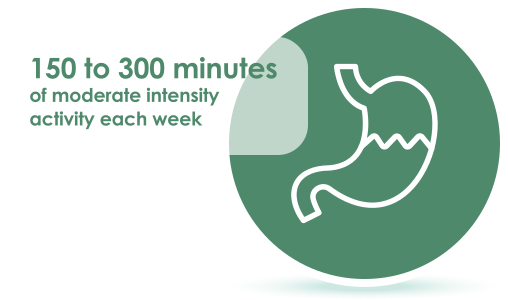
For adults, the World Health Organization recommends 150 to 300 minutes of moderate intensity aerobic activity each week. It also recommends muscle strengthening activities involving all major muscle groups on two or more days a week.
People in treatment or recovery may need a different starting point. Ask your healthcare team what is appropriate for you, build up gradually and respond to how you feel.
01.
Choose movement you enjoy
Walking, cycling, swimming, dancing and everyday tasks all count. Enjoyable activity is easier to make part of your routine.
02.
Build strength
Strengthening major muscle groups can support mobility, independence and healthy ageing. Adapt the effort to your ability.
03.
Start small
A few active minutes are better than none. Short sessions across the day can add up and help you progress safely.
04.
Move together
Activity with family, friends or a local group can bring connection, encouragement and shared purpose.
Know the signs
Physical activity can support mental wellbeing too.
Movement is not only about physical fitness. Regular activity can support mood, confidence, everyday function and social connection. The right amount will be different for each person.
01.
Support your mood
Movement can help reduce symptoms of anxiety and depression and improve overall wellbein.
02.
Keep connected
A walk or activity shared with someone else creates space for conversation and mutual support.
03.
Protect function
Strength, balance and mobility support independence as we age.
04.
Find your pace
Rest is part of recovery. Adapt activity to your symptoms, treatment and energy.
Research and innovation
European projects advancing gastric cancer care.
DiCE brings the patient perspective to European collaborations focused on prevention, diagnosis, personalised care and survivorship.
Project 01

Towards Gastric Cancer Screening Implementation in the European Union evaluates evidence and develops recommendations for effective and cost efficient screening strategies, with the aim of reducing deaths through earlier detection. While this chapter officially comes to an end, the journey continues, building on the results achieved, TOGAS+ will officially kick off this November 2026.
Project 02

An Artificially Intelligent Diagnostic Assistant for gastric inflammation is developing an artificial intelligence powered tool to support earlier detection, risk assessment, personalised patient stratification and clinical decisions.
Project 03

SmartCARE developed a European digital tool for cancer survivors, created with patients to provide easier access to treatment summaries, clinical history and practical survivorship information.
Share trusted information
