
Gastric and Oesophageal Cancer Guide

Blood tumour markers for monitoring gastric and oesophageal cancers
CEA and CA 19-9
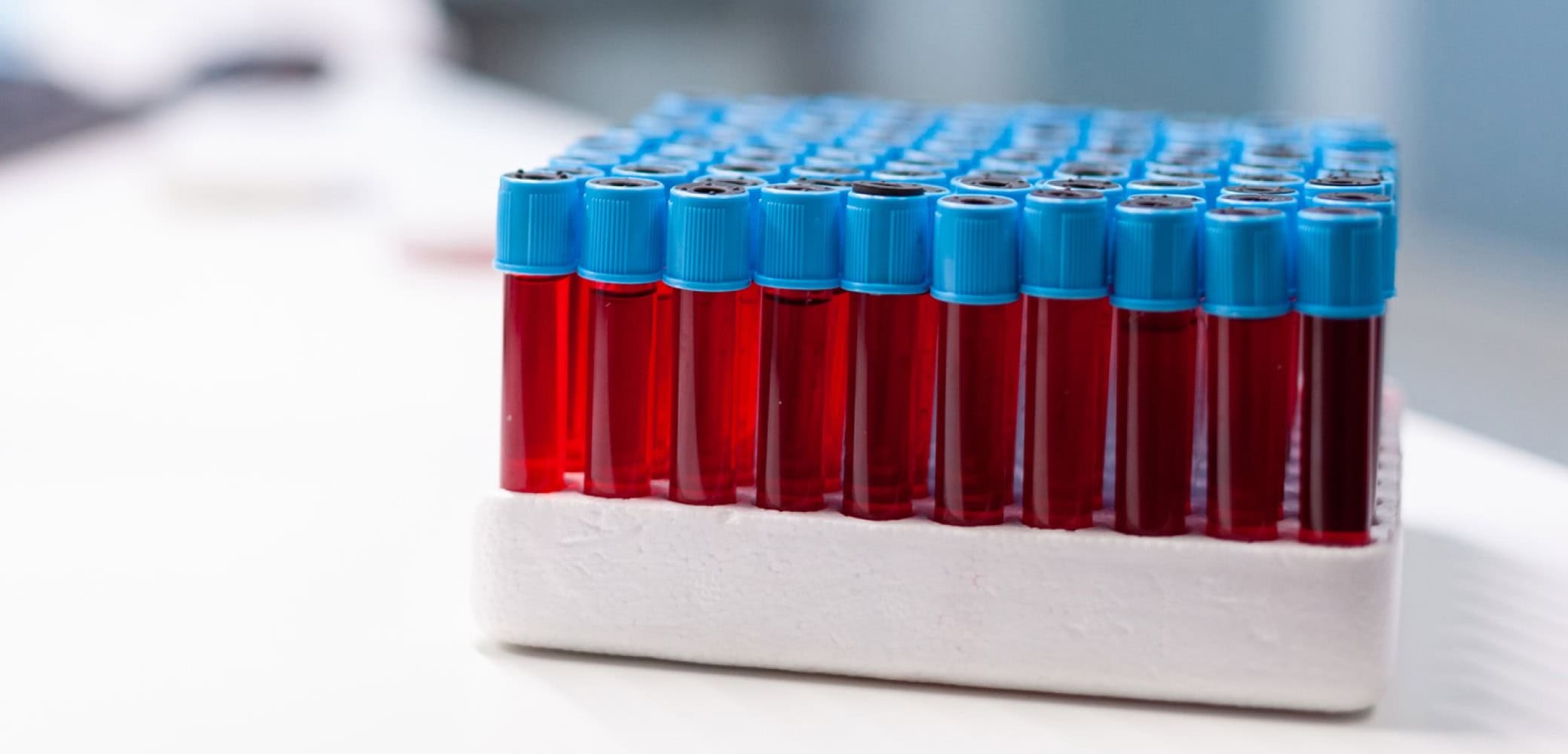
Blood-based tumour markers such as antigen (CEA) and carbohydrate antigen 19-9 (CA 19-9) may be used in the management and monitoring of some people with gastric cancer. These markers can be measured through a simple blood test and may be elevated in some patients with the disease. However, they are not sufficiently sensitive or specific to be used for screening or early diagnosis. Their main clinical role is therefore in disease monitoring rather than detection1.
In clinical practice, these markers may help doctors monitor response to treatment, assess disease progression, or raise suspicion of recurrence after surgery, sometimes before symptoms appear2. Nevertheless, their results can also increase in several non-cancerous conditions, meaning that results must always be interpreted alongside imaging findings and clinical evaluation rather than in isolation.
Biomarkers that can guide treatment
Human Epidermal Growth receptor 2 (HER2) is a protein involved in cell growth, division, repair and survival. HER2 overexpression or amplification is observed in approximately 10-30% of gastric and oesophageal cancers and is associated with more aggressive tumour behaviour and poorer prognosis3,4. HER2-positive cancers occur when tumour cells acquire additional copies of the HER2 gene or produce excessive amounts of the HER2 protein on their surface, leading to uncontrolled cell growth and spread4.
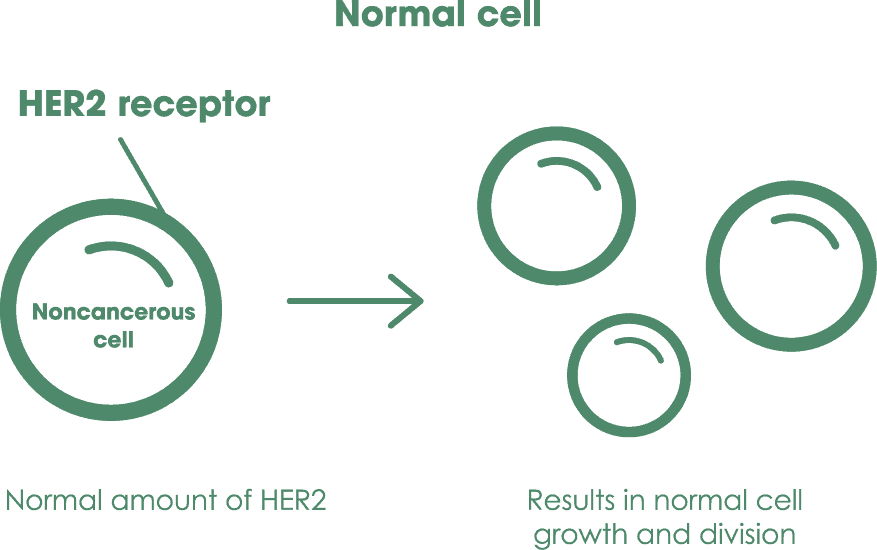
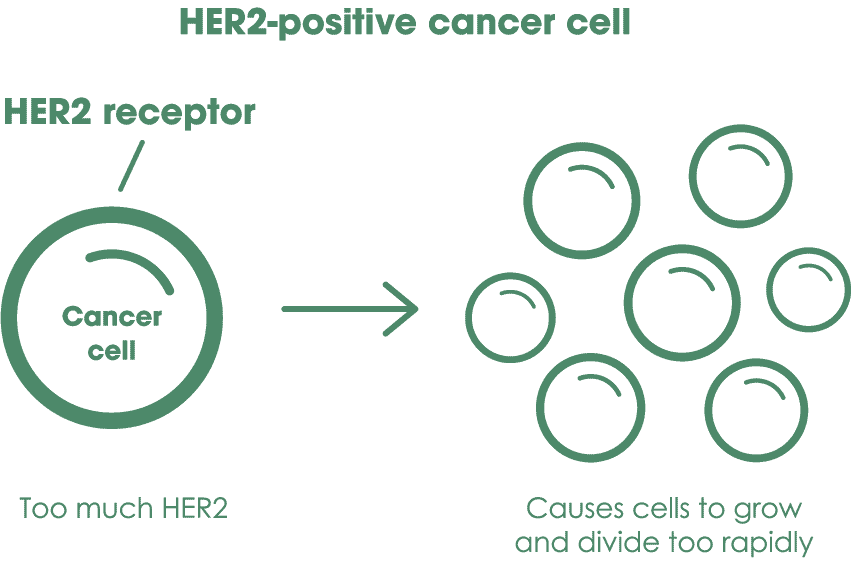
Because HER2 status directly influences treatment options, current guidelines recommend HER2 testing in all patients with advanced gastric and oesophageal cancers at the time of diagnosis5,6. HER2 expression in these cancers can be heterogenous, meaning that different parts of the tumour may express different HER2 levels. For this reason, multiple biopsy samples are often required to improve testing accuracy6.
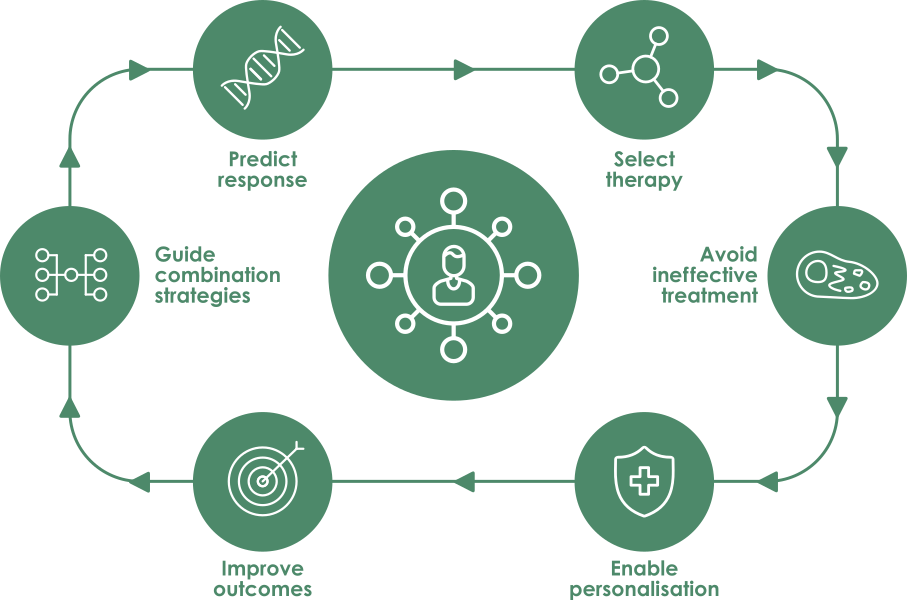
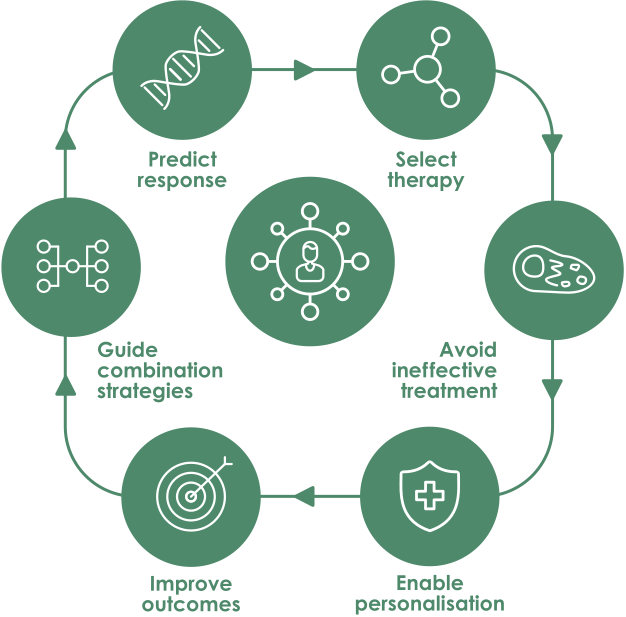
HER2 is a biomarker that helps predict how a cancer may respond to certain treatments. In patients whose tumours have high levels of HER2 (HER2-positive), anti-HER2 targeted therapies such as trastuzumab can be used, usually combined with chemotherapy. If the cancer stops responding or continues to grow after initial HER2-targeted treatment, newer therapies such as trastuzumab deruxtecan may also be considered. This antibody-drug conjugate delivers chemotherapy directly to cancer cells with high HER2 levels, helping maximise tumour targeting while reducing damage to healthy tissues7.
Programmed-death ligand 1 (PD-L1) is a protein that helps cancer cells evade the immune system recognition. However, in some gastric and oesophageal cancers, high PD-L1 expression allows cancer cells to suppress immune responses more effectively. Testing PD-L1 therefore helps identify patients who may benefit from immunotherapy, particularly immune checkpoint inhibitors such as nivolumab or pembrolizumab8.
PD-L1 expression can be assessed using different scoring systems. The combined positive score (CPS) measures PD-L1 expression in both tumour cells and immune cells, while the tumour area positivity (TAP) score estimates the proportion of the tumour area that expresses PD-L1. The scoring system and cut-off used can depend on the cancer type, the treatment being considered and the clinical indication. In general, higher PD-L1 scores are associated with a greater likelihood of benefit from immunotherapy, particularly when these drugs are combined with chemotherapy in advanced disease5,9. However, PD-L1 is an imperfect biomarker, as some patients with low expression may still respond to immunotherapy, while others with high expression may not5. For this reason, PD-L1 is only one part of the treatment decision-making process. PD-L1 results are considered alongside other biomarker results, the characteristics of the tumour, the patient’s overall health, and treatment goals to help determine the most appropriate treatment.
The mismatch repair (MMR) system is responsible for correcting DNA replication errors. When this repair system becomes defective, known as mismatch repair deficiency (dMMR), tumour cells accumulate mutations, leading to microsatellite instability-high (MSI-H) status. MSI-H/dMMR cancers tend to carry a high number of genetic alterations, making them more visible to the immune system and therefore more likely to respond to immunotherapy. In addition, MSI-H tumours are often associated with a better prognosis in earlier-stage disease. Because of these important therapeutic and prognostic implications, MSI/MMR testing is recommended in both localised and advanced gastric and oesophageal cancers5,10.
Identification of MSI-H/dMMR status may also suggest an inherited cancer predisposition syndrome such as Lynch syndrome, particularly in patients with a relevant family history. In these cases, further genetic counselling and testing may be recommended for patients and relatives11.
Claudin 18.2 (CLDN18.2) is a protein normally present in the lining of the stomach but abnormally overexpressed in a subset of gastric and gastro-oesophageal junction cancers. This biomarker has recently emerged as an important therapeutic target12.
Targeted therapies against CLDN18.2, particularly zolbetuximab, have shown encouraging results when combined with chemotherapy in patients whose tumours have high levels of this protein5,9. Therefore, Zolbetuximab has been approved in combination with chemotherapy as a first treatment option for selected patients with advanced or metastatic gastric or gastroesophageal junction adenocarcinoma that are HER2-negative and express CLDN18.213.
Neurotrophic tyrosine receptor kinase (NTRK) gene fusions, although rare, are clinically important because they are highly actionable and they can be identified through broader molecular testing. When present, they can be effectively treated with TRK inhibitors such as larotrectinib or entrectinib, with responses observed across multiple tumour types9.
Emerging and less established biomarkers
Beyond routinely used biomarkers, several additional molecular features are being actively investigated and are helping to refine our understanding of gastric and oesophageal cancers biology and future treatment strategies. Although many are detected through comprehensive genomic profiling, their role in routine clinical decision-making is still evolving and is currently most relevant in research settings or clinical trials.
- Epstein-Barr Virus (EBV) status: some gastric cancers (around 10%) are linked to the EBV, a common virus that infects many people during their lifetime2. These tumours often show signs that the body’s immune system is already recognising the tumour and frequently have high PD-L1 expression. As a result, patients with EBV-positive gastric tumours may be more likely to benefit from immunotherapy14.
- Fibroblast growth factor receptor (FGFR) amplification/overexpression: occurs in approximately 2-9% of gastric cancers, more commonly in diffuse-type tumours and younger patients15. These tumours tend to be more aggressive, and FGFR-targeted therapies are currently being evaluated in clinical trials, and are not yet part of standard clinical practice in gastric cancer5.
- MET amplification/overexpression: associated with more aggressive disease and poorer outcomes. Although targeted therapies against MET are under investigation, their role in routine clinical practice for gastric cancer is not yet established5.
Overall, while these emerging biomarkers improve our understanding of gastric and oesophageal cancers biology, their role in everyday clinical decision-making remains limited. Despite the fact that they may be analysed in comprehensive next-generation sequencing panels, testing for these molecular alterations is not currently recommended in standard clinical practice, as they do not yet guide treatment decisions and are primarily relevant in research and clinical trial settings.
Biomarkers and genetic changes linked to inherited cancer risk
CDH1 and BRCA1/2
A small proportion of gastric cancers, especially a type called diffuse gastric cancer, can run in families. This is known as hereditary diffuse gastric cancer (HDGC) and accounts for approximately 1% to 3% of cases. It is most strongly associated with inherited changes (mutations) in the CDH1 gene16. The CDH1 gene helps produce a protein called E-cadherin, which plays an important role in keeping cells attached and organised in the stomach lining. When this gene does not work properly, the risk of developing diffuse gastric cancer, and also a type of breast cancer called lobular breast cancer, can be higher. Because of this, individuals with a strong family history of these cancers may be referred to genetic counselling and germline testing17.
Other inherited gene changes can also increase the risk of gastric cancer. For example, mutations in the BRCA1 and BRCA2 genes, which are better known for their association with inherited breast and ovarian cancers, have also been linked to an increased risk of gastric cancer in some families. These genes normally help repair damage in our DNA, and when they are altered, the risk of several cancer types increase. Identifying these inherited alterations can help guide not only treatment and surveillance for the patient, but also support risk assessment and screening for family members18. For this reason, similarly to CDH1 testing, doctors may recommend genetic tests and counselling to help patients and families better understand their results.
1. Căinap, C. et al. Classic Tumor Markers in Gastric Cancer. Current Standards and Limitations. Med. Pharm. Rep. 88, 111–115 (2015).
2. Hakami, Z. H. Biomarker discovery and validation for gastrointestinal tumors: A comprehensive review of colorectal, gastric, and liver cancers. Pathol. Res. Pract. 255, 155216 (2024).
3. Bonomi, M. et al. Targeting HER2 in Gastroesophageal Adenocarcinoma: Molecular Features and Updates in Clinical Practice. Int. J. Mol. Sci. 25, 3876 (2024).
4. Pous, A., Notario, L., Hierro, C., Layos, L. & Bugés, C. HER2-Positive Gastric Cancer: The Role of Immunotherapy and Novel Therapeutic Strategies. Int. J. Mol. Sci. 24, 11403 (2023).
5. Lordick, F. et al. Gastric cancer: ESMO Clinical Practice Guideline for diagnosis, treatment and follow-up. Annals of Oncology 33, 1005–1020 (2022).
6. Obermannová, R. et al. Oesophageal cancer: ESMO Clinical Practice Guideline for diagnosis, treatment and follow-up. Annals of Oncology 33, 992–1004 (2022).
7. Jubashi, A., Nakayama, I. & Shitara, K. Trastuzumab deruxtecan in the treatment of HER2-positive gastric cancer: a comprehensive review. Future Oncology 21, 4043–4056 (2025).
8. Zhang, Y. et al. PD-L1: Biological mechanism, function, and immunotherapy in gastric cancer. Front. Immunol. 13, (2022).
9. Yu, J. & Mehta, R. Biomarker-Driven Approach to the Treatment of Metastatic Gastric or Gastroesophageal Adenocarcinoma.Journal of the National Comprehensive Cancer Network 23, (2025).
10. de la Fouchardière, C. et al. How do I treat dMMR/MSI gastro-oesophageal adenocarcinoma in 2025? A position paper from the EORTC-GITCG gastro-esophageal task force. Cancer Treat. Rev. 134, 102890 (2025).
11. Ambrosini, M. et al. Epidemiology, pathogenesis, biology and evolving management of MSI-H/dMMR cancers. Nat. Rev. Clin. Oncol. 22, 385–407 (2025).
12. Sun, J., Awad, M. A., Hwang, J. & Villano, A. M. Molecular Biomarkers for the Diagnosis and Prognostication of Pancreatic Ductal Adenocarcinoma. J. Pers. Med. 15, 236 (2025).
13. Picheta, N., Piekarz, J., Pobideł, J., Szklener, K. & Skórzewska, M. Zolbetuximab in the treatment of advanced gastric and gastroesophageal junction cancer: a systematic review. Front. Immunol. 17, (2026).
14. van der Sluis, K. et al. The clinical impact of testing for biomarkers in gastric cancer patients: a real‐world cohort. Histopathology 82, 826–836 (2023).
15. Saoudi Gonzalez, N., Patelli, G. & Crisafulli, G. Clinical Actionability of Genes in Gastrointestinal Tumors. Genes (Basel). 16, 1130 (2025).
16. Cosma, L.-S., Schlosser, S., Tews, H. C., Müller, M. & Kandulski, A. Hereditary Diffuse Gastric Cancer: Molecular Genetics, Biological Mechanisms and Current Therapeutic Approaches. Int. J. Mol. Sci. 23, 7821 (2022).
17. Mokhtari-Esbuie, F., Szeglin, B., Rouhani Ravari, M., Duncan, M. & Harmon, J. W. Pioneering use of genetic analysis for CDH1 to identify candidates for prophylactic total gastrectomy to prevent hereditary diffuse gastric cancer. eGastroenterology 1, e100017 (2023).
18. Buckley, K. H., Niccum, B. A., Maxwell, K. N. & Katona, B. W. Gastric Cancer Risk and Pathogenesis in BRCA1 and BRCA2 Carriers. Cancers (Basel). 14, 5953 (2022).