
Advancing Patient-Centred Liver Cancer Care: DiCE at EASL Congress 2026
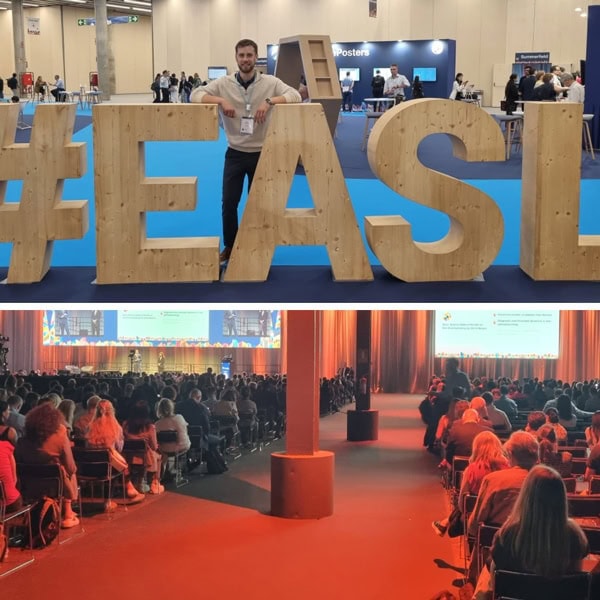
Digestive Cancers Europe (DiCE) participated in the European Association for the Study of the Liver (EASL) Congress 2026 in Barcelona, Spain, represented by CEO Zorana Maravic and Medical and Scientific Project Officer Nikola Mihinjač. The congress brought together thousands of hepatologists, researchers, healthcare professionals, industry representatives, and patient advocates from around the world to discuss the latest advances in liver disease and liver cancer.
As one of the leading international scientific meetings in hepatology, EASL Congress 2026 showcased progress across the full spectrum of liver health, from prevention and early detection to treatment, research, and long-term care. Discussions covered a wide range of topics, including viral hepatitis, metabolic dysfunction-associated steatotic liver disease (MASLD), cirrhosis, liver transplantation, and hepatocellular carcinoma (HCC), the most common form of liver cancer.
Elevating the Patient Voice in Research
A central theme throughout the congress was the growing recognition of patients as active partners in research and healthcare decision-making.
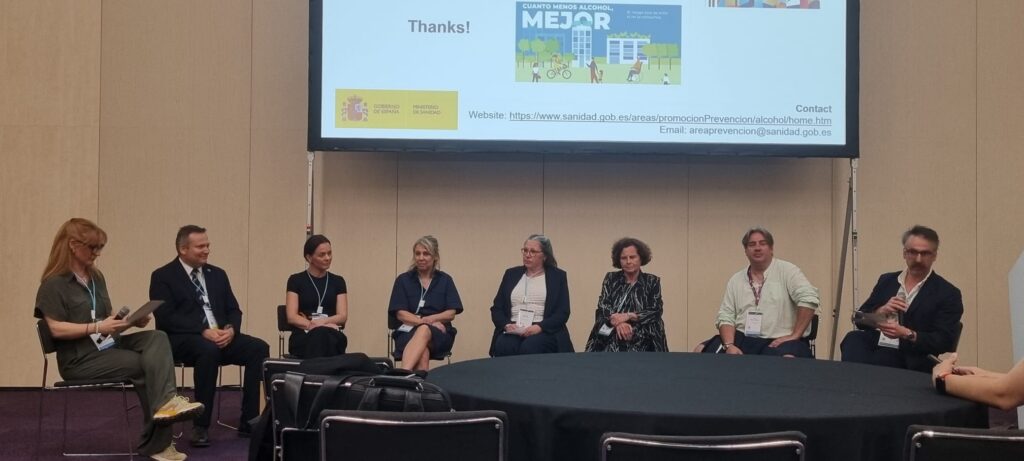
DiCE CEO Zorana Maravic chaired a dedicated session exploring the early inclusion of patients in clinical trials. Bringing together patient advocates, researchers, healthcare professionals, and people with lived experience, the discussion focused on integrating patient perspectives from the earliest stages of study design.
The session highlighted a clear message: meaningful patient involvement should not be an afterthought. Patients should be engaged early, consistently, and throughout the entire research process to help ensure that studies address outcomes and priorities that matter most to those living with the disease.
Reflecting on the congress, Zorana Maravic commented:
“It is encouraging to see EASL continuing to strengthen awareness efforts around liver cancer. While important progress has been made, there is still an opportunity to further raise the visibility of liver cancer within awareness initiatives, reflecting the significant burden this disease places on patients, families, and society. Delays in diagnosis, stigma, and limited awareness continue to affect outcomes and quality of life for many people across Europe.”
Strengthening the Global Liver Cancer Advocacy Movement
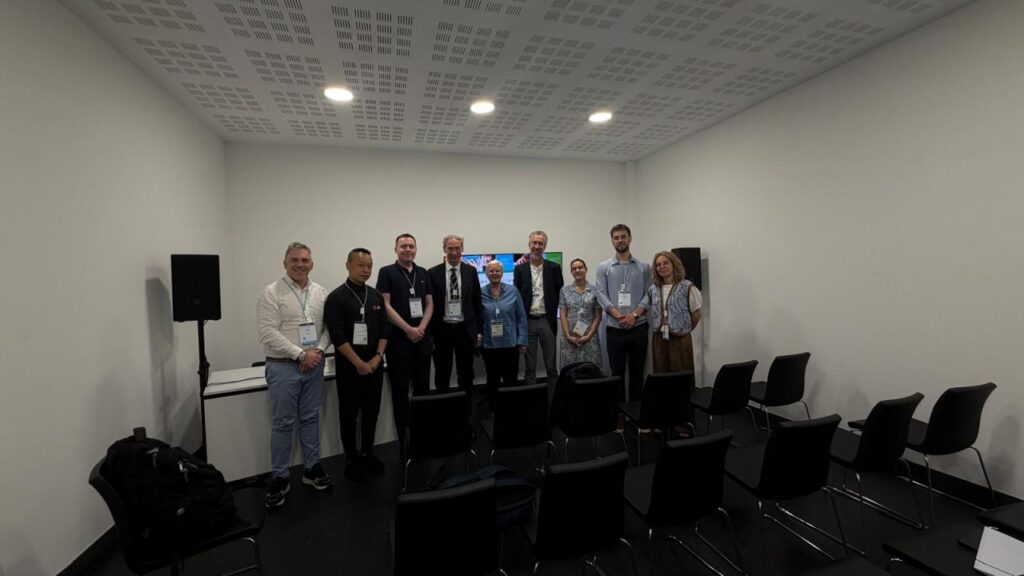
Another highlight of the congress was the meeting of the International Liver Cancer Movement (ILCM), which brought together patient advocates, clinicians, researchers, and experts committed to improving outcomes for people affected by liver cancer.
Discussions focused on the importance of moving beyond individual patient experiences towards collective advocacy. While peer support remains essential, organised patient communities have the power to influence research priorities, contribute to policy development, and advocate for improvements in healthcare systems and access to care.
The meeting also featured a presentation by Prof. Thomas Berg, lead author of the EASL-Lancet Commission 2.0 chapter on hepatocellular carcinoma. His analysis highlighted concerning trends across the WHO European Region and reinforced the urgent need for coordinated action to address the growing burden of liver cancer.
Turning Evidence into Action
As liver cancer incidence and mortality continue to rise across Europe, the conversations in Barcelona underscored the need for closer collaboration between researchers, healthcare professionals, policymakers, and patient organisations.
The congress served as a powerful reminder that improving outcomes for people affected by liver cancer will require more than scientific innovation alone. Progress depends on ensuring that research, prevention, clinical care, awareness, and policy work together, with patients recognised as equal partners in shaping the future of liver cancer care.
Author:
