
From Research to Real-World Screening: DiCE at the European Cancer Policy Summit
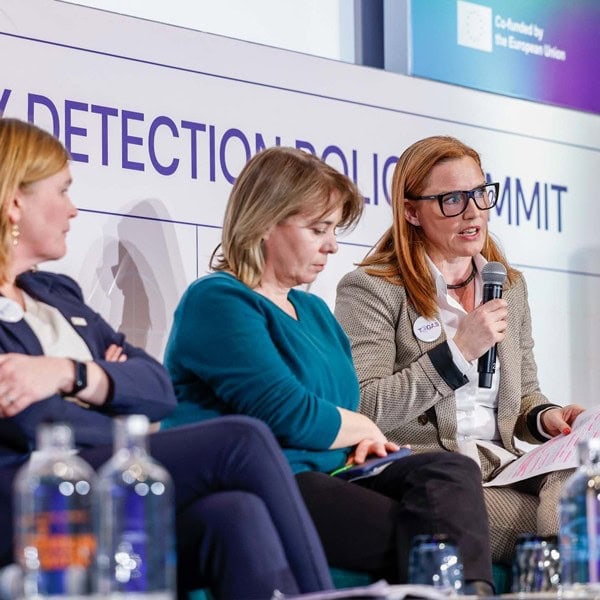
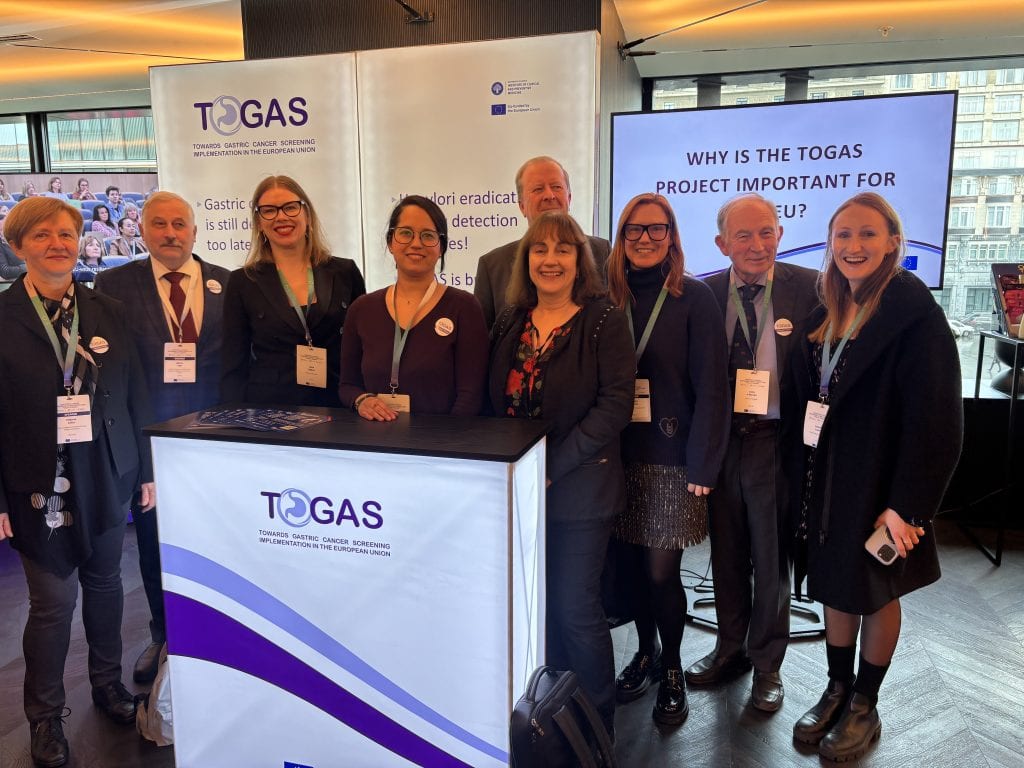
As a partner in the TOGAS consortium, Digestive Cancers Europe (DiCE) represented TOGAS at the European Cancer Screening and Early Detection Policy Summit, organised by the European Cancer Organisation (ECO) in Brussels (and online). The Summit convened policymakers, clinicians, researchers, patient organisations, and EU project teams to review progress on cancer screening and early detection across Europe and to discuss how EU-funded pilots can be translated into real-world programmes.
DiCE contributed to two key sessions. One focused on practical implementation lessons from pilot studies, and another addressed the political commitment needed to sustain and scale screening initiatives in the coming years.
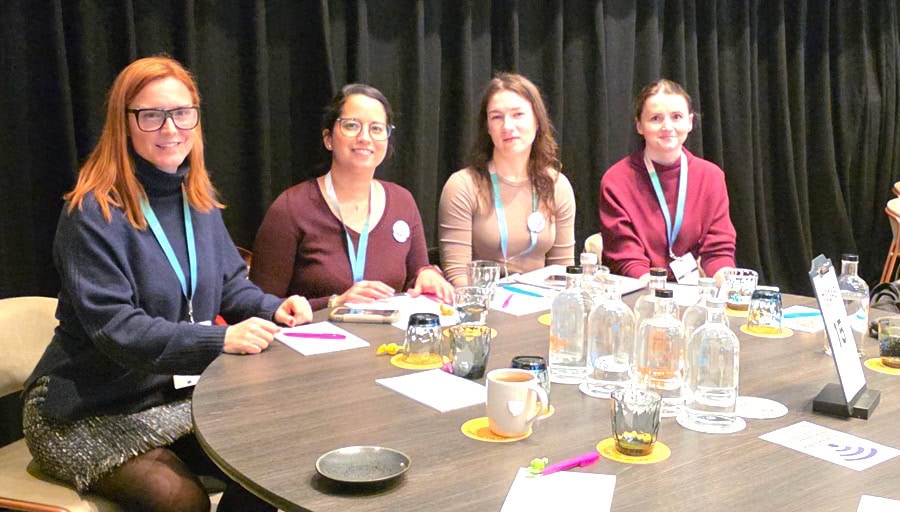
Laura Ureña represented TOGAS in Session 2 – Lessons from the implementation studies, an interactive exchange between the PRAISE-U, SOLACE, and TOGAS pilots. The session explored cross-cutting issues that are central to implementing screening in real-world health systems, including:
- Invitation strategies and participation
- Equity and inclusivity
- Risk-based and personalised approaches (including psychosocial aspects)
- Sustainability and long-term implementation needs
During the interactive roundtables, Laura shared key messages from TOGAS’s work on public and participant views (Work Package 5 – WP5), drawing on feedback from the pilot studies and participants’ input. She explained that people’s understanding, their worries and expected benefits, trust in primary care, and how clear the information is can all affect whether they take part in future gastric cancer screening. The exchange showed why it is important to listen to citizens early. Especially when designing screening plans that should work for different communities. DiCE brought the citizen perspective into WP5 through a general population survey and the creation of ad hoc questionnaires to capture the care experience of pilot study participants. These insights support that future screening programmes must be people-centred, with strong communication, trusted healthcare guidance, and smooth organisation to make screening acceptable and scalable.
DiCE CEO, Zorana Maravic, contributed to Session 6 – Maintaining political momentum in cancer screening across Europe, a high-level discussion on how to sustain political support and funding to expand screening for prostate, lung, and gastric cancer. She also briefly highlighted the citizen perspective from TOGAS (WP5) by sharing a couple of key figures from the general population survey and pilot study feedback, demonstrating why screening must be fair and acceptable for people to take part.
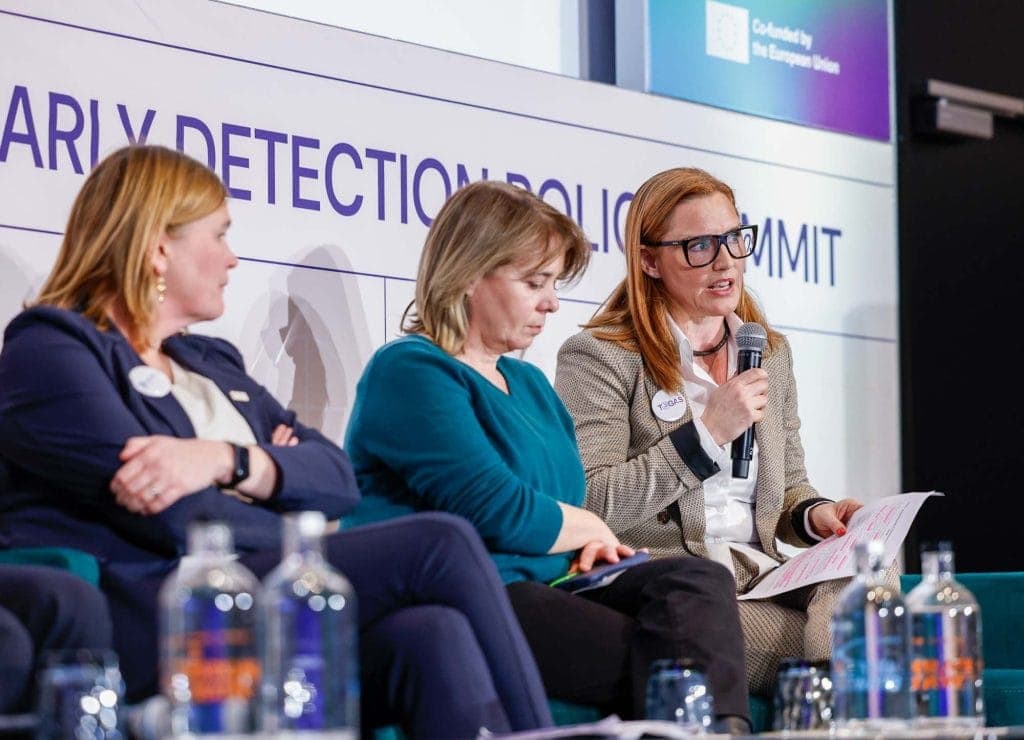
The session also looked at how current and future EU funding, such as the EU’s long‑term budget (the Multiannual Financial Framework, MFF), can support Member States and help progress continue beyond the current policy cycle. Zorana stressed the need to keep screening and early detection high on the political agenda, to keep fairness central to decision-making, and to turn evidence from EU pilot projects into lasting national programmes that improve outcomes for patients. The session was facilitated by Stella Kyriakides and included voices from the European Parliament and EU project leadership, highlighting the shared need for long‑term commitment, investment, and coordinated action.
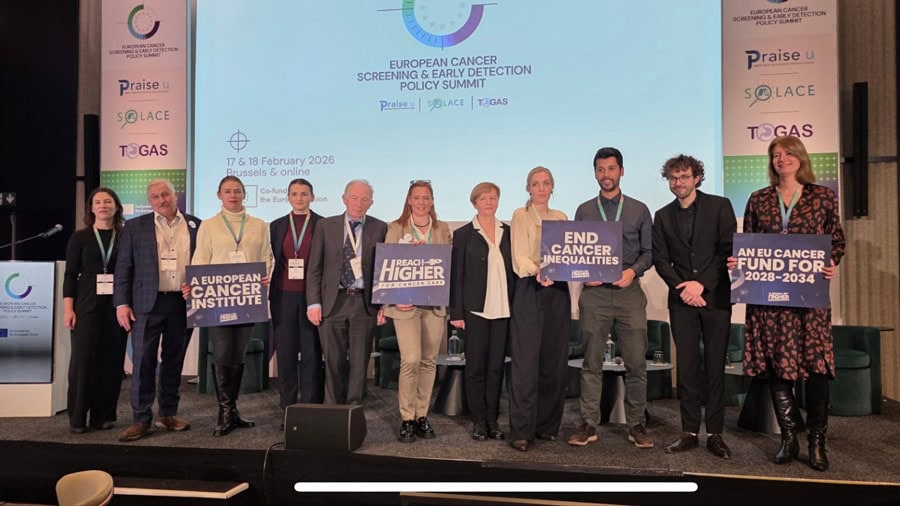
DiCE’s participation at the Summit reaffirmed the organisation’s commitment to strengthening cancer screening and early detection in Europe. The discussions underlined that implementation success depends on aligning evidence, health system capacity, and public trust, while maintaining the political momentum needed to move from pilots to programmes.
We will continue working with TOGAS partners and the wider cancer community to ensure that patient perspectives, equity considerations, and practical implementation lessons help shape Europe’s next steps in gastric cancer prevention and screening.
Author:
