
Biosimilars, Access, and the Future of Patient Care in Europe
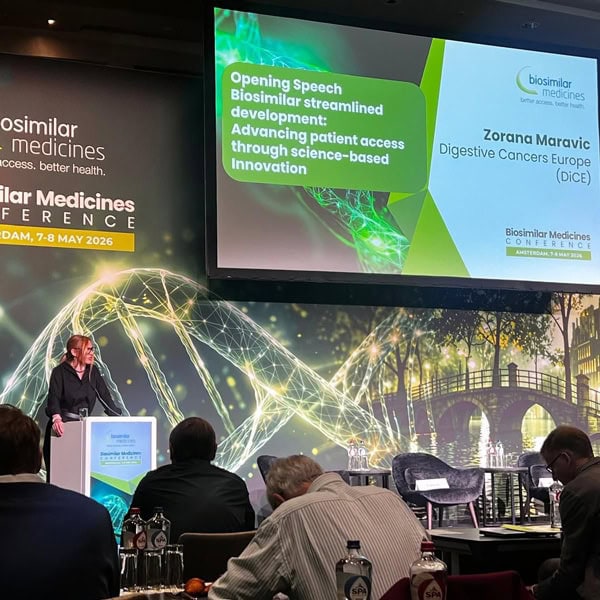
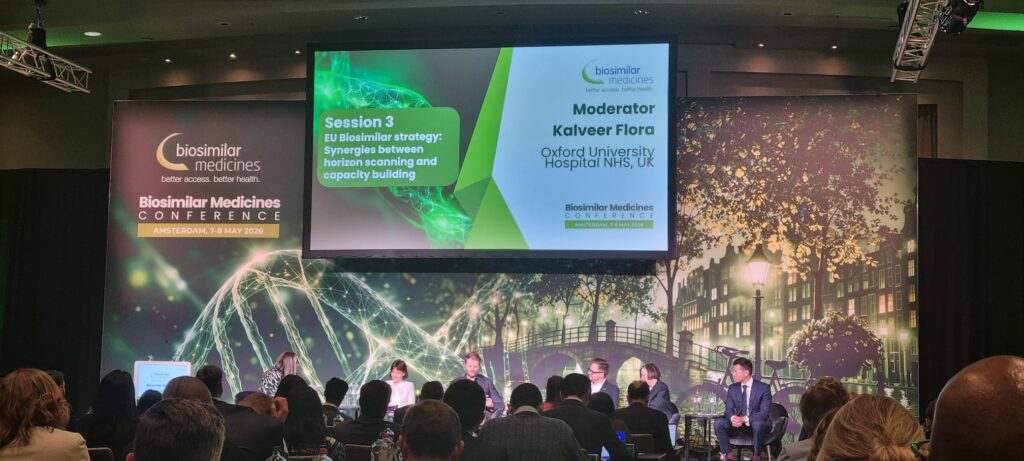
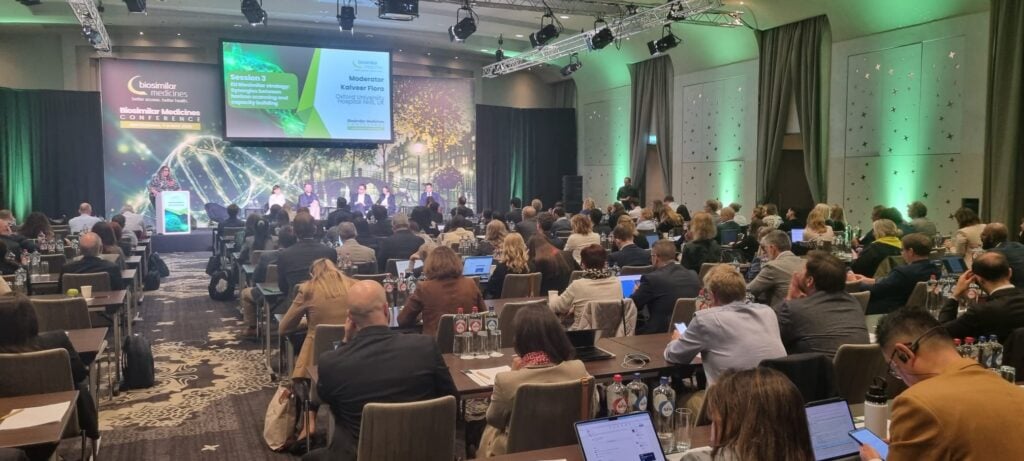
How can Europe ensure that innovation, sustainability, and equitable access to treatment move forward together? These questions were at the centre of the 2026 Biosimilar Medicines Conference organised by Medicines for Europe in Amsterdam on 7–8 May.
Bringing together regulators, policymakers, healthcare professionals, industry leaders, academics, and patient organisations, the conference explored the evolving role of biosimilar medicines in strengthening healthcare systems across Europe. Under the theme “The Biosimilar Advantage: Powering Patient Access and Industrial Resilience”, discussions highlighted how biosimilars are increasingly recognised not simply as alternatives to existing medicines but as important tools for improving patient access, supporting healthcare sustainability, and reinforcing Europe’s pharmaceutical resilience.
Despite nearly two decades of successful use in Europe, important challenges remain. Uptake and access to biosimilars continue to vary significantly across countries, while misconceptions, differences in procurement systems, and inconsistent patient information continue to affect how patients benefit from these medicines.
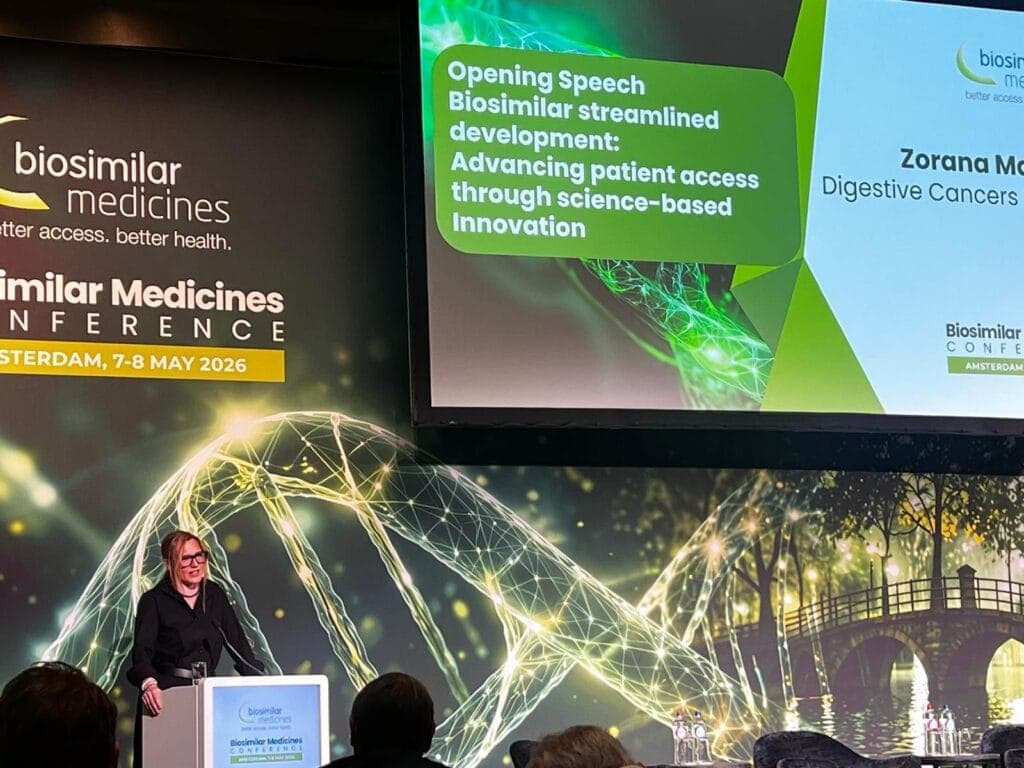
Digestive Cancers Europe was proud to contribute to these discussions. On the second day of the conference, Zorana Maravic delivered the opening presentation, “Biosimilar streamlined development: Advancing patient access through science-based innovation.” Her intervention reflected a significant shift within the biosimilar landscape. After almost 20 years of European experience, the conversation is increasingly focused on how scientific evidence and regulatory knowledge can support more tailored and efficient development pathways. This growing confidence is built on years of clinical experience, regulatory oversight, and accumulated real-world evidence demonstrating the safety and effectiveness of biosimilar medicines.
However, the conference also reinforced a critical message: scientific progress alone is not enough. Patients across Europe still experience unequal access depending on national policies, healthcare structures, and levels of awareness.
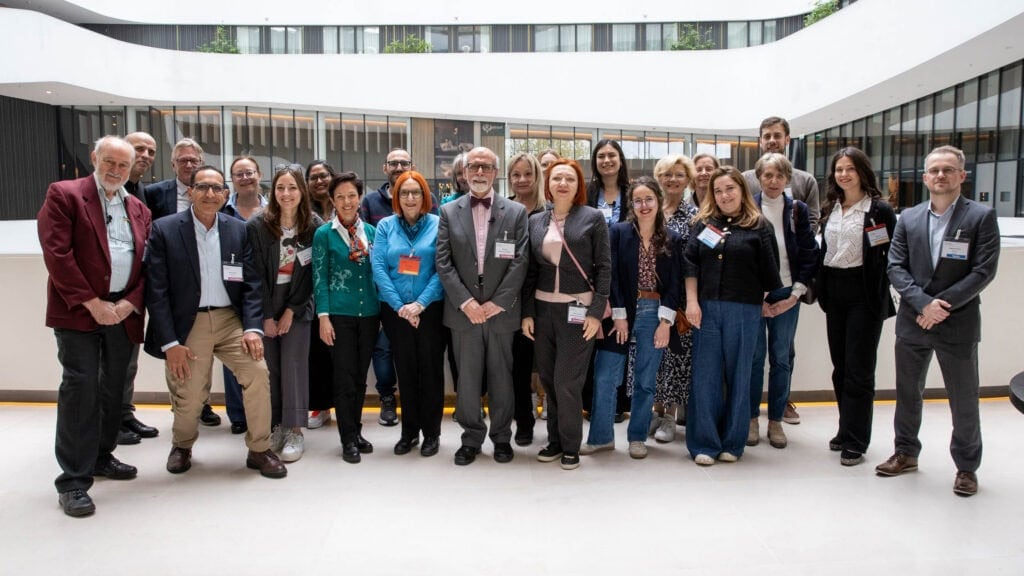
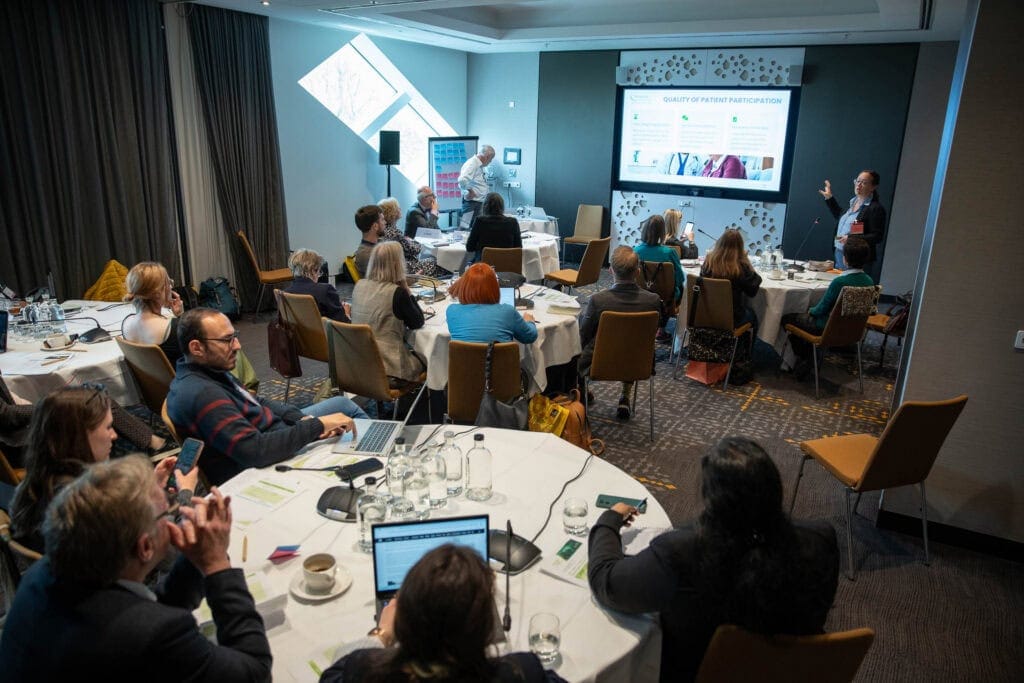
Ahead of the conference, DiCE also participated in the Patient Leaders’ Workshop, which focused on strengthening the role of patients and patient organisations in biosimilar policy and decision-making. Discussions explored how patient-centred evaluation can move from concept to practical implementation through real-world experiences, policy case studies, and the development of a Patient Impact Scorecard. This emerging tool aims to help measure not only economic and policy outcomes, but also the real impact on patients’ lives and experiences.
For DiCE, the message remains clear: patients must not be passive observers in conversations that directly affect their treatment, access to care, and quality of life. They should be recognised as equal partners in shaping healthcare policies and decisions.
As the European conversation around biosimilars continues to evolve, the focus is expanding beyond cost savings alone. Increasingly, biosimilars are becoming part of a broader discussion about equity, resilience, innovation, and truly patient-centred healthcare. Most importantly, Europe now has an opportunity to demonstrate that expanding access to treatment and strengthening patient trust can progress together.

Author:
