
A Break at Sea for Patients with Digestive Cancers
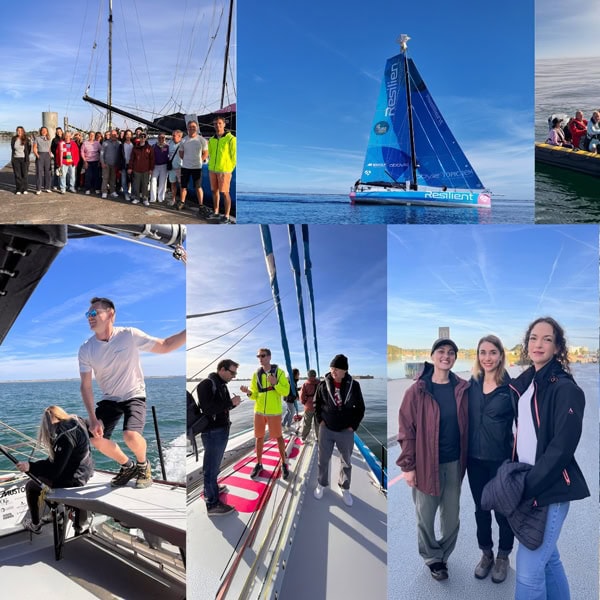
For one day, the hospital was left behind.
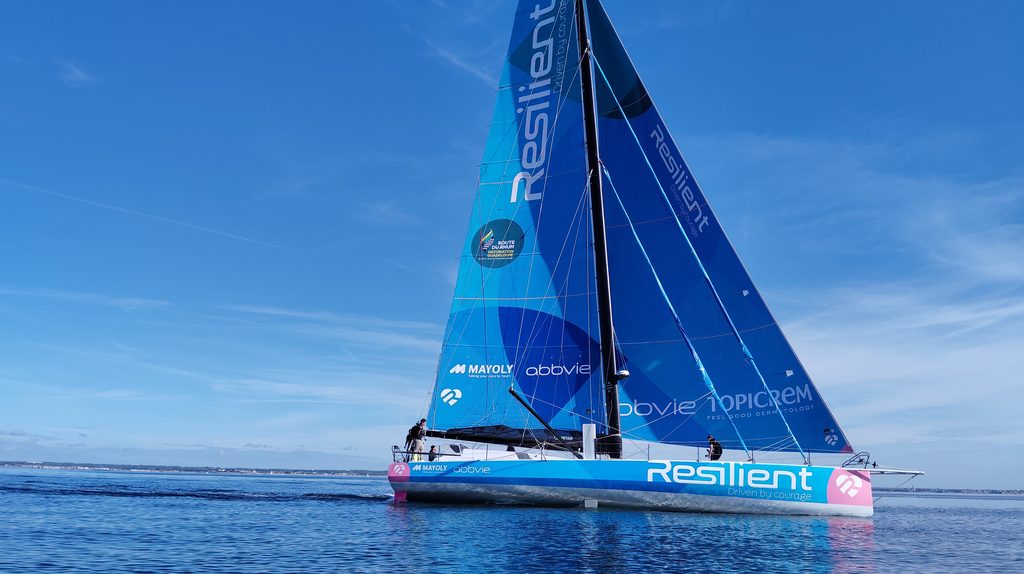
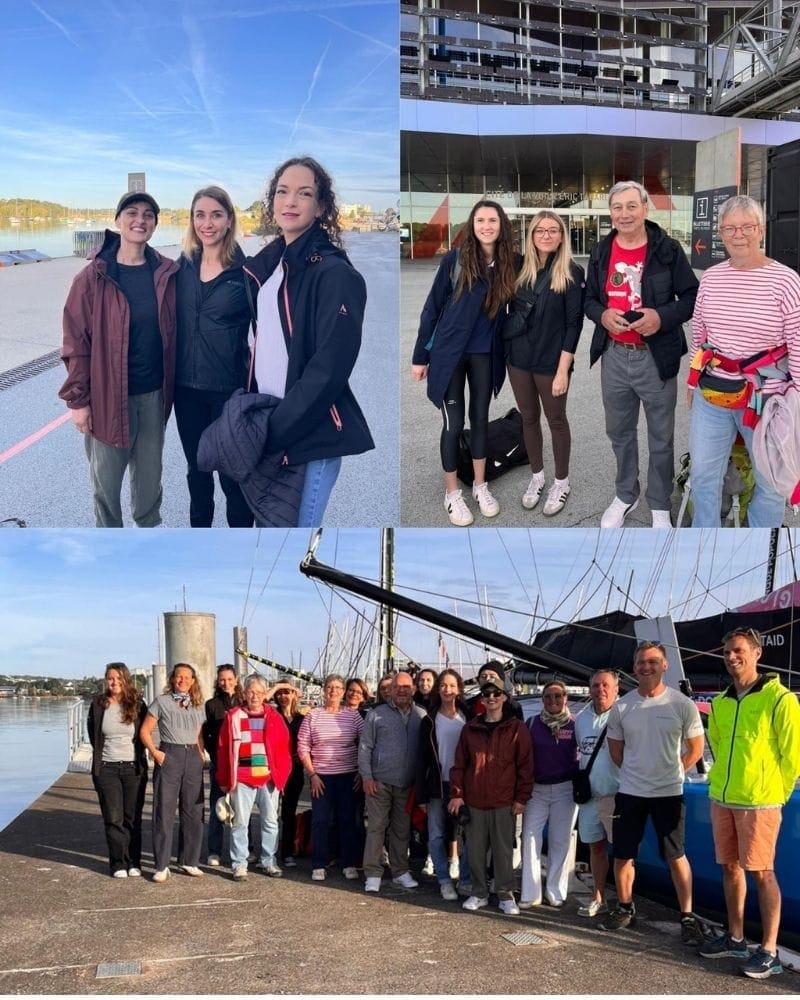
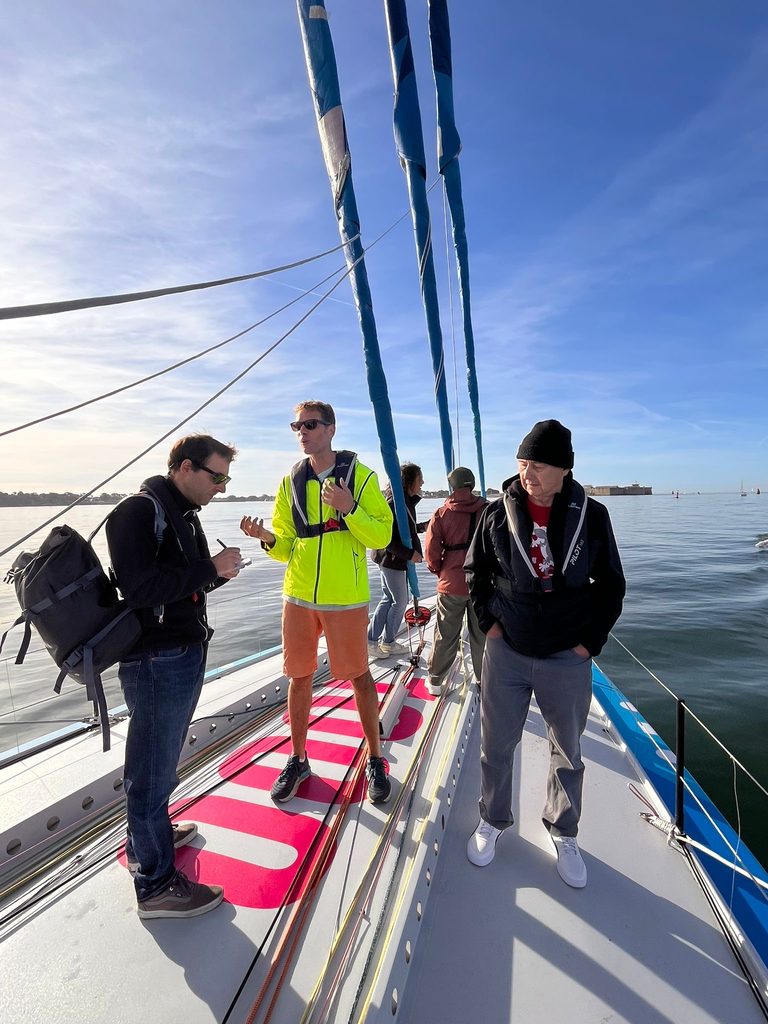
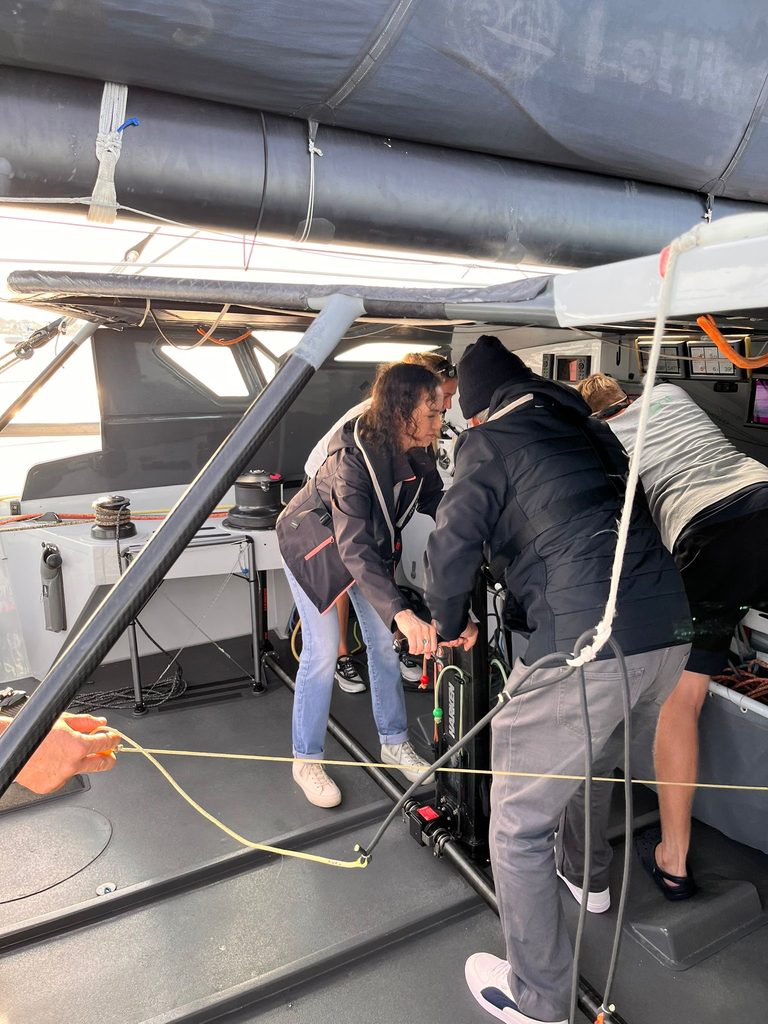
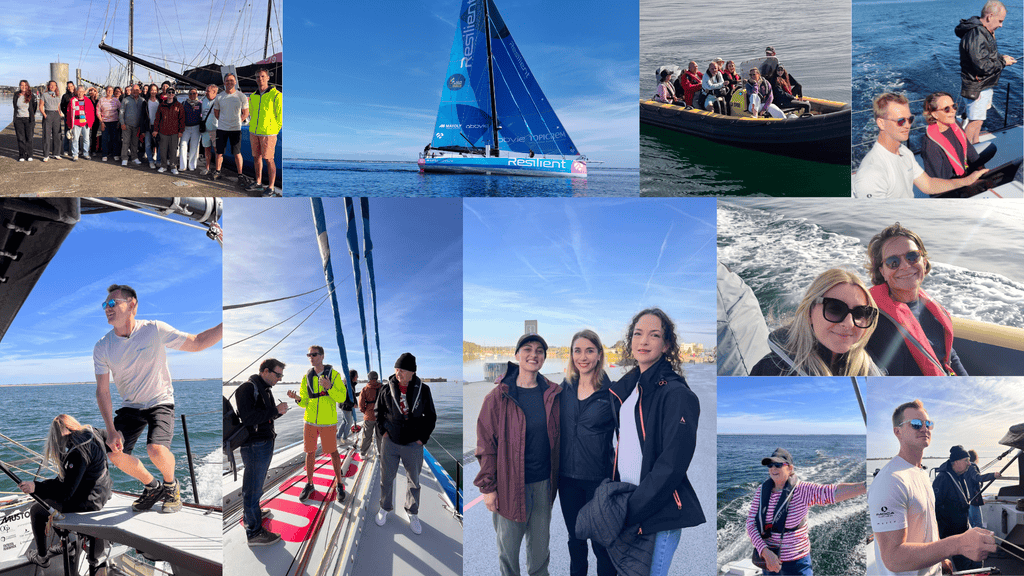
On 2 September, nine people affected by digestive cancers stepped aboard the IMOCA RESILIENT for a day at sea, joined by four physicians, professional skipper Pierre Louis Attwell, the A.R.CA.D Foundation and Team RESILIENT.
There were no consultation rooms, waiting areas or treatment schedules. Instead, there was open water, conversation and the chance to experience something completely different together.
The idea behind the day was simple: to give patients a genuine break from the realities of cancer and create a space where patients and healthcare professionals could meet beyond their usual roles.
For Elise, one of the patients on board, the experience brought what she described as “a great surge of vitality” and “a break that was both comforting and inspiring.”
Before setting sail, however, she had one concern: “Would I actually be able to keep up physically?”
Those worries quickly eased. With a team familiar with the challenges people may experience during illness, and physicians on board, Elise felt able to take part without constantly questioning what she could or could not do.
“That day was tangible proof that, given a safe and suitable framework, it’s possible to enjoy ‘fun’ activities that illness often seems to take away from us.”
Having the doctors there also made a difference.
“They already know our illnesses, so we didn’t have to explain everything again, especially to make sure the activities we were doing were appropriate. It was a relief not to have to worry about that.”
For Michele, another patient on board, the impact was perhaps best expressed in just a few words: “That day of sailing did me a world of good.”
Seeing each other differently
The change of setting also offered something valuable to the physicians.
For Yann, the experience was a reminder that cancer care is about more than treating disease and extending survival. It is also about helping people continue to live lives filled, as far as possible, with plans, pleasures and experiences.
Pauline described the day as an opportunity to build a different kind of connection with patients.
“Being able to share a moment outside the care setting with our patients constitutes a unique experience, especially rich on a human and emotional level.”
Away from the hospital, conversations unfolded more naturally. The usual roles became less defined, allowing patients and healthcare professionals to see and understand one another from a different perspective.
Resilience beyond the hospital
The initiative also reflects the personal journey of Pierre Louis Attwell, a professional skipper living with Crohn’s disease.
For Pierre Louis, the purpose of the day was to give patients a few hours of escape, while showing that illness or disability does not have to mean giving up on ambitions, experiences or new goals.
The sea provided a fitting setting for that message.
Supporting people affected by digestive cancers means advancing research, improving treatment and care, and promoting prevention and screening. But it can also mean creating opportunities for connection, encouraging safe and adapted physical activity, and helping people continue to experience life beyond their diagnosis.
This day at sea brought all of those ideas together.
A partnership looking ahead
The sailing experience marked the beginning of a wider collaboration between the A.R.CA.D Foundation and Team RESILIENT, built around a shared ambition to raise awareness of digestive cancers, promote adapted physical activity and keep the experiences of patients at the centre of the conversation.
The partnership is expected to continue in the months and years ahead, leading towards the 2028 Vendée Globe, in which Pierre Louis Attwell plans to compete.
The next milestone will come this autumn at a major ocean racing event, where the A.R.CA.D Foundation will be present in the race village with activities focused on information, prevention, screening and adapted physical activity.
From the hospital to the open sea, the setting may change, but the purpose remains the same: helping people affected by digestive cancers not only receive the care they need, but continue to live, connect and look forward.
Author:
