
From Patient Voice to Global Action: DiCE at ILCA 2026
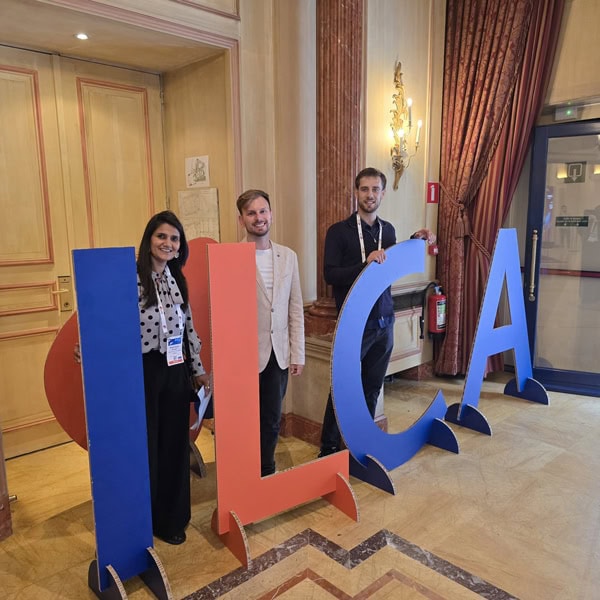
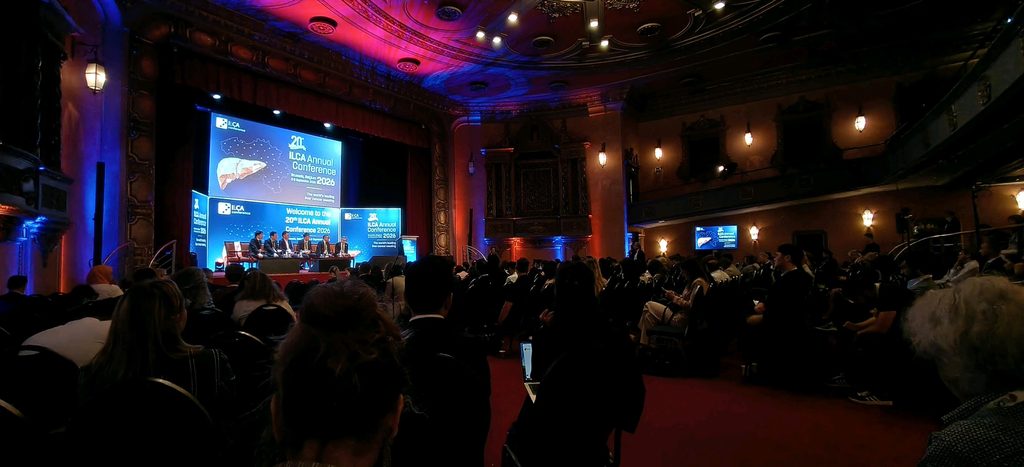
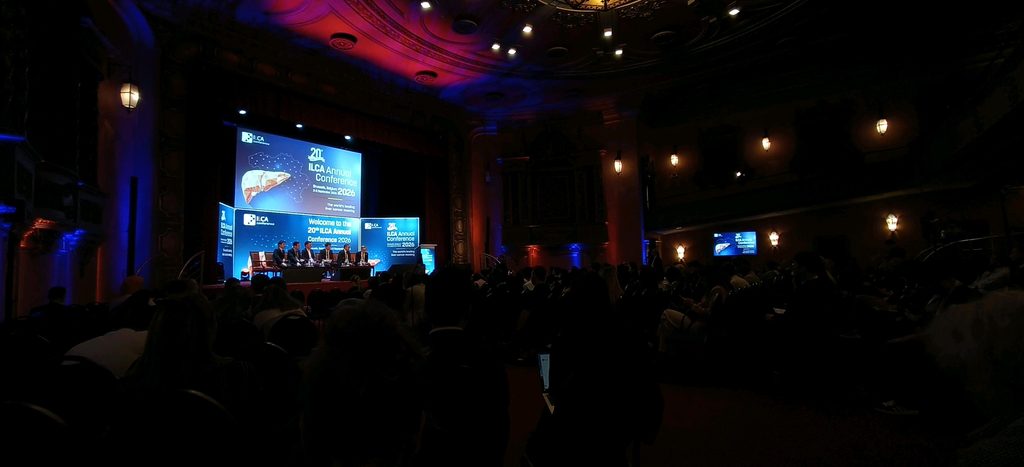
From 3–5 September 2026, the International Liver Cancer Association (ILCA) hosted its 20th Annual Conference in Brussels, convening the global liver cancer community to exchange knowledge, discuss the latest developments in research and clinical practice, and strengthen international collaboration.
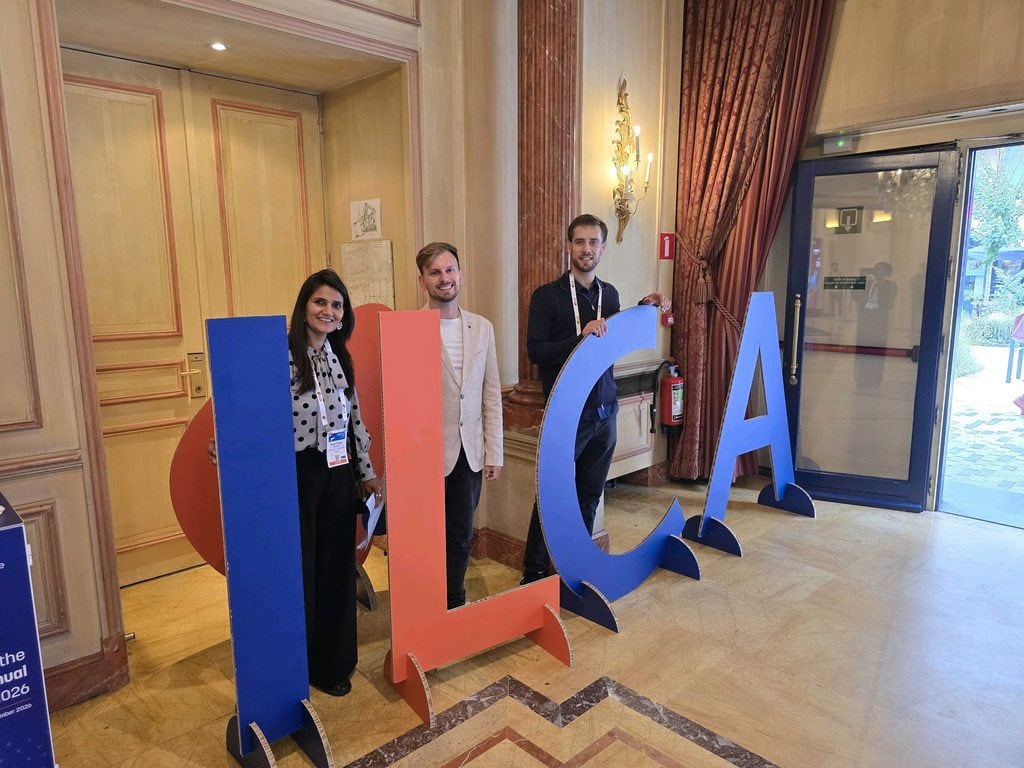
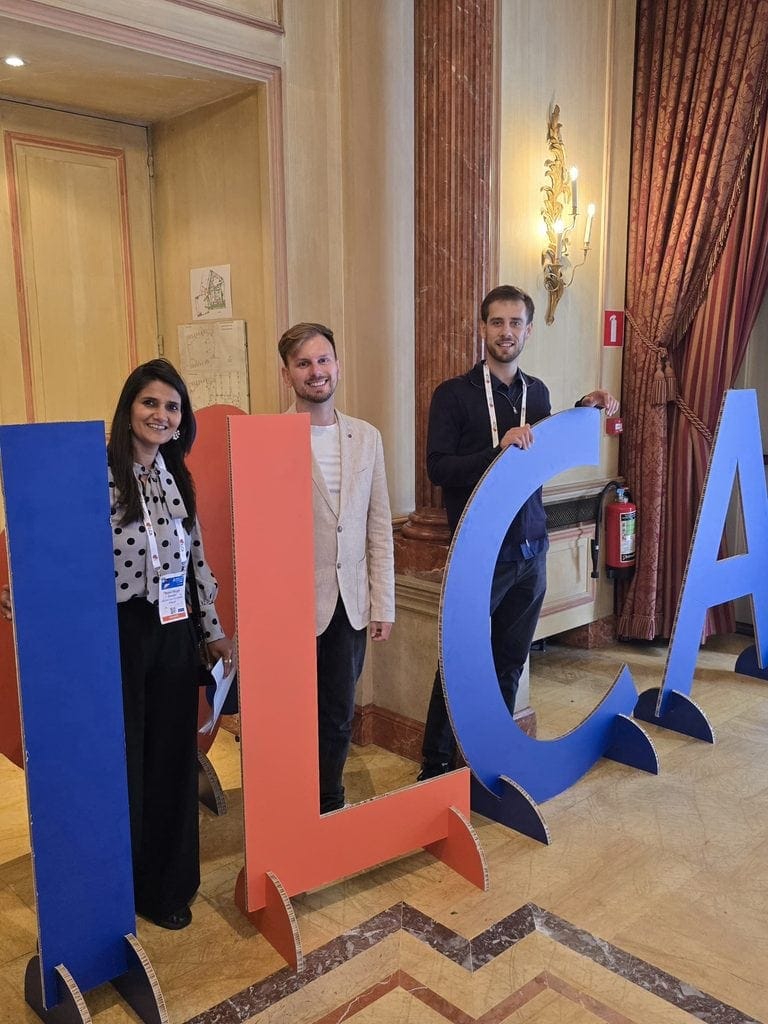
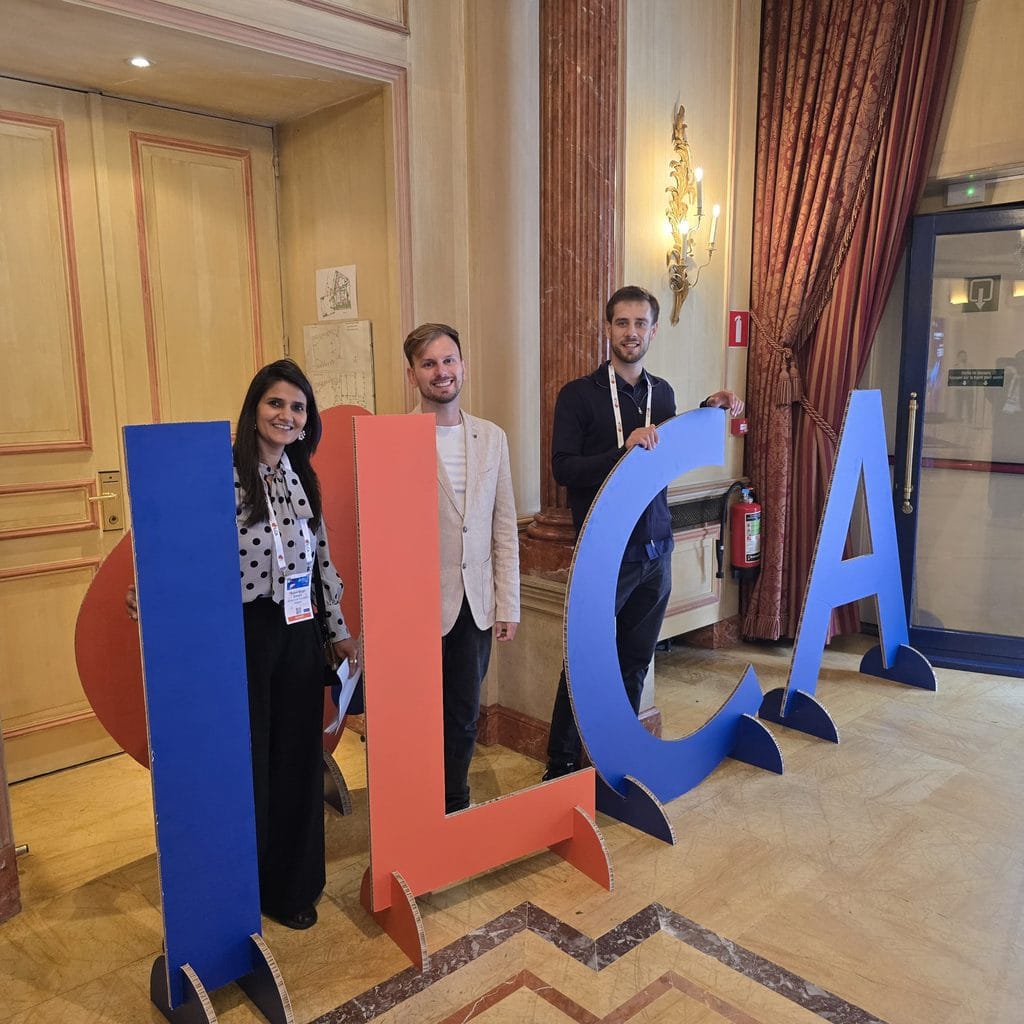
Digestive Cancers Europe (DiCE) was pleased to be part of this important meeting, with Filip Karan and Nikola Mihinjač representing DiCE and participating in the patient advocacy activities surrounding the conference.
Beyond the scientific sessions and advocacy discussions, ILCA 2026 was also a wonderful opportunity to spend time with Rohini Singh Sisodia, a DiCE patient advocate, a member of the DiCE Patient Advisory Committee, and a cholangiocarcinoma survivor.
Connecting science, clinical practice and patient advocacy
The ILCA Annual Conference is one of the leading international, multidisciplinary meetings dedicated to primary liver cancer. This year’s scientific programme covered the entire disease spectrum, from basic and translational research to surveillance, diagnostics, treatment strategies, and survivorship for hepatocellular carcinoma and cholangiocarcinoma.
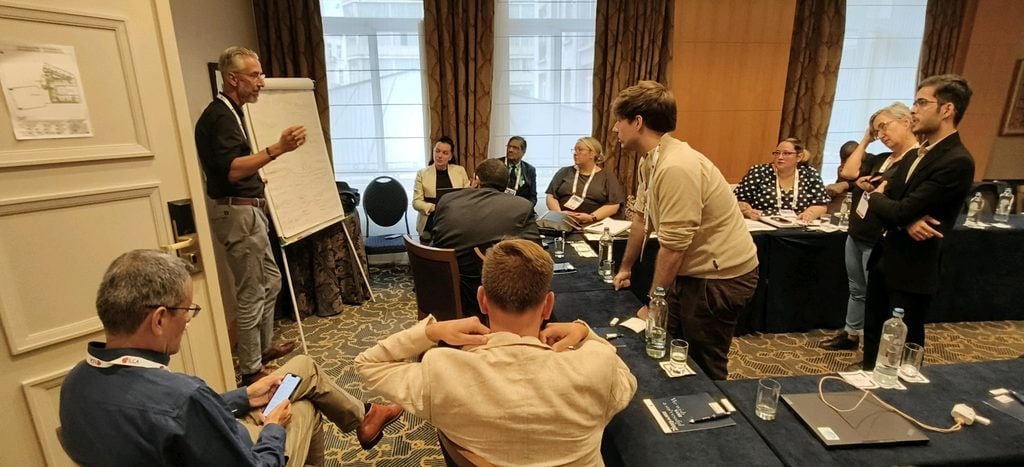

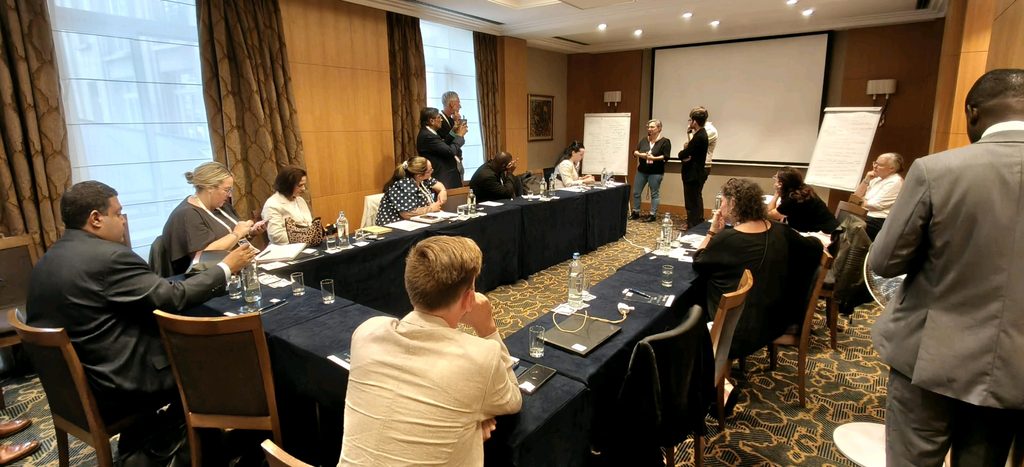
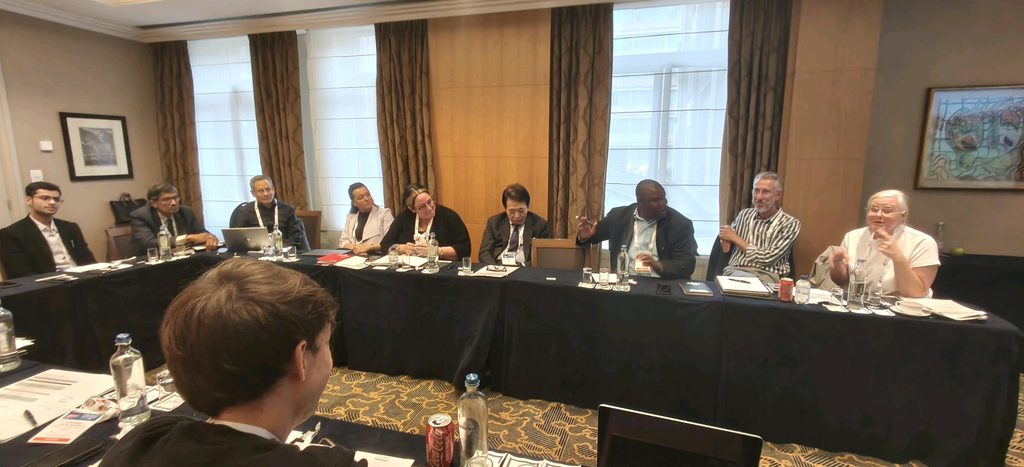
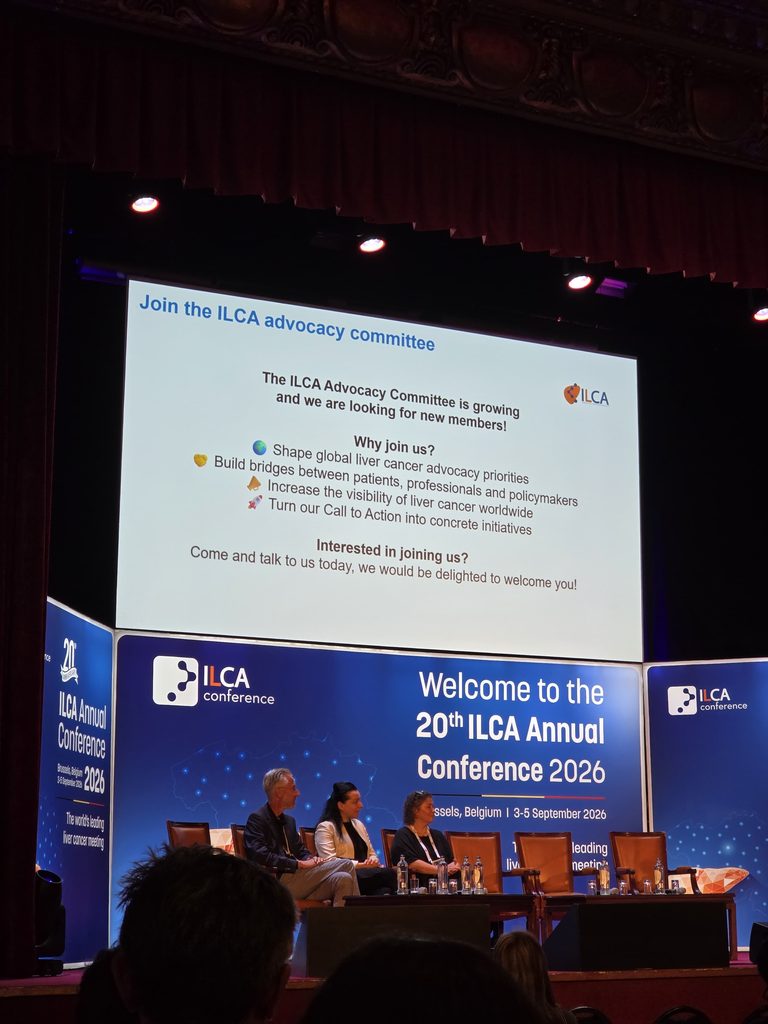
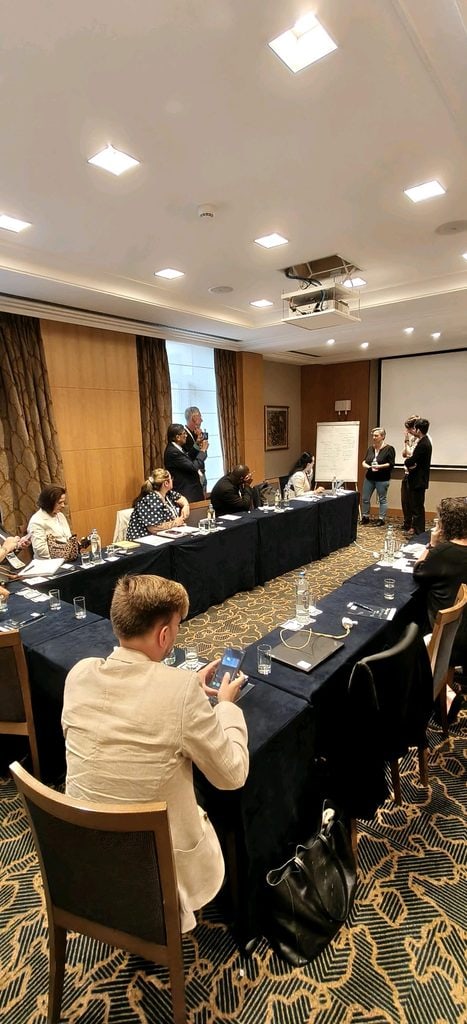
Alongside the scientific programme, Filip and Nikola participated in the ILCA advocacy workshop, engaging with fellow patient advocates, healthcare professionals and members of the liver cancer community. The workshop provided an important space to exchange experiences and discuss four key topics:
- the use of artificial intelligence in treatment and clinical decision-making,
- better and more responsible use of health data,
- patient empowerment,
- reducing the stigma surrounding liver disease and liver cancer.
The Brussels Call to Action on Liver Cancer
A key outcome of the advocacy meetings was the Brussels Call to Action on Liver Cancer, a joint advocacy statement calling for stronger political commitment and coordinated action to address the growing global burden of liver cancer.
The discussions identified six overarching priorities: preventing liver cancer wherever possible; detecting it earlier; ensuring equitable access to high-quality care; empowering patients as partners; promoting responsible innovation; and uniting the liver cancer community around a stronger global voice.
The Call also looks ahead to how new technologies can improve liver cancer care, while stressing that innovation must remain evidence-based, clinically validated and guided by patient rights and human oversight.
ILCA will publish the Call and make it available for endorsement, aiming to support advocacy at national, regional and international levels and help the liver cancer community engage policymakers around a common set of priorities.
At DiCE, discussions in Brussels reinforced the importance of integrating patient experience, scientific progress and health policy. We look forward to supporting the Brussels Call to Action and to working with the wider liver cancer community to translate these shared priorities into meaningful improvements for people affected by liver cancer.

Author:
